Namibia First Oil Production Date: When Will Namibia Produce Oil?
Namibia's petroleum commissioner has publicly confirmed first oil production is targeted for 2029 to 2030. TotalEnergies' Venus field on PEL 56 is the lead project, with a Final Investment Decision expected in late 2026 and first production from a 150,000 to 180,000 barrel-per-day FPSO around 2030. Here is the full timeline, the conditions that must be met, and what it means for the country and for investors.
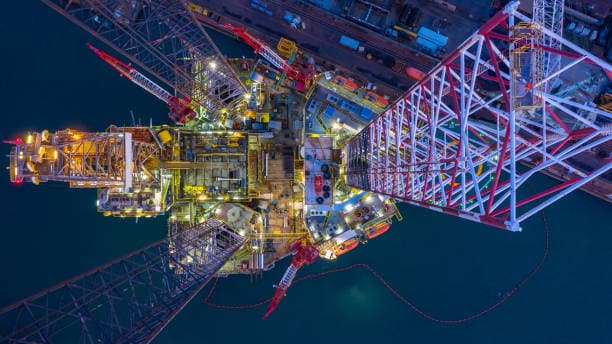
Namibia's Orange Basin holds multi-billion-barrel discoveries across multiple deepwater blocks. First oil is targeted for 2029-2030.
Invest Ahead of Namibia's First Oil
Stamper Oil & Gas (TSXV: STMP) holds five exploration blocks across Namibia's Orange, Walvis and Lüderitz basins, positioned ahead of the 2029-2030 first oil window.
REQUEST INVESTOR INFORMATION →Namibia First Oil: Key Facts
The Official Answer: 2029-2030
Namibia's government has been consistent on the timeline. The country's petroleum commissioner confirmed in multiple public statements that first oil production from the offshore discoveries is expected in the 2029-2030 window. TotalEnergies' deputy CFO has also stated publicly that the Venus project is targeting first oil in 2030, with the Final Investment Decision (FID) expected in mid-to-late 2026.
That timeline hinges on one project above all others: the Venus field on PEL 56 in the Orange Basin, operated by TotalEnergies with QatarEnergy, Galp, Impact Oil and Gas, and NAMCOR as partners. Venus is the most advanced of Namibia's deepwater discoveries in terms of development planning, and its FID is the single most important event on Namibia's energy calendar between now and 2030.
TotalEnergies Venus: The Project That Defines the Timeline
Venus was discovered by TotalEnergies in February 2022, making it the discovery that put Namibia on the global oil map. The field is located approximately 290 kilometres west of the Namibian coast in water depths of around 3,000 metres. Estimated recoverable resources range from approximately 2 billion barrels upward.
The development concept is a large ultra-deepwater FPSO with a design capacity of approximately 150,000 to 180,000 barrels of oil per day in its first phase. TotalEnergies plans to re-inject associated gas rather than market it, given the extreme water depth and the distance from shore, which make gas export infrastructure uneconomic at this stage. Hanwha Ocean has emerged as the frontrunner to supply the FPSO vessel, with competitive proposals ahead of rival bidders.
Venus FID Gating Conditions
If all four conditions are met by Q4 2026, the subsequent FPSO construction and installation phase would take approximately three to four years, placing first oil firmly in the 2029 to 2030 window.
Namibia Oil Production Timeline: Year by Year
Galp Mopane: The Second Wave
While Venus defines the 2029-2030 first oil window, Galp's Mopane field represents the second wave of Namibian production. Mopane is one of the largest oil discoveries in decades globally, with multiple appraisal wells completed through 2024 and contingent resources of 700 million barrels (3C). Some estimates for total Mopane resource size run significantly higher.
TotalEnergies completed a farm-in to the Mopane project from Galp in late 2025, with Custos Energy and NAMCOR also holding interests. First production from Mopane is estimated for 2031 to 2032, making it a second-wave project that would substantially increase Namibia's total output after Venus reaches plateau production.
The 500,000 Barrel Per Day Target by 2035
Looking beyond the initial first oil milestone, Namcor's chief executive has stated publicly that Namibia could reach 500,000 barrels of oil equivalent per day by 2035 through the deployment of four FPSO vessels across multiple projects. At that production level, Namibia would displace Egypt to become Africa's fifth-largest oil producer.
The 2035 target assumes production from at least two major FPSO projects (Venus and Mopane), likely a third development from the broader Orange Basin acreage, and continued exploration success in both the Orange Basin and the Walvis Basin to the north. The Walvis Basin, where Chevron is drilling the Gemsbok-1X well on PEL 82 in the second half of 2026, is positioned as the next basin to open after the Orange Basin.
What About Shell's PEL 39?
Shell remains active in Namibia despite writing down $400 million on its PEL 39 discoveries in January 2025. The company is drilling Koekoemor-1X on PEL 39 from April 2026 using the Deepsea Mira rig. The write-down reflected technical challenges with the Graff, La Rona and Jonker discoveries including low rock permeability, high gas content and resource mobility issues, not a lack of oil in the ground.
Shell's new drilling targets different structures on PEL 39, seeking reservoirs with better flow characteristics than the existing discoveries. A successful result from Koekoemor-1X would reopen the question of PEL 39 commerciality and could add a third major Orange Basin project to Namibia's production pipeline. For a full analysis, read our detailed breakdown of Shell's PEL 39 and the Koekoemor-1X well.
What Needs to Happen Between Now and 2030
For Venus First Oil (2029-2030)
- • TotalEnergies files field development plan (mid-2026)
- • FID approved in Q4 2026
- • FPSO contract awarded and construction begins
- • ESIA and ECC approved by Namibian regulators
- • Subsea infrastructure installed
- • FPSO towed to site and moored (~2028-2029)
- • First production begins (~2029-2030)
Risks to the Timeline
- • Cost overruns pushing above $20/bbl breakeven
- • Delays in fiscal term negotiations with government
- • ESIA regulatory delays
- • FPSO construction delays (global tightness in FPSO market)
- • Sustained low oil prices reducing project economics
- • Supply chain bottlenecks for deepwater equipment
What This Means for Exploration Investors in 2026
For investors in Namibia's exploration sector, the 2029-2030 first oil date is important context for understanding the current investment window. The gap between now (2026) and first oil (2029-2030) is where exploration companies positioned in adjacent acreage can generate significant value through farm-outs, seismic campaigns, and exploration success before the development majors dominate the conversation.
History from other frontier basins shows that the period between major discovery confirmation and first production is typically when exploration pure-plays see their greatest re-rating. Companies holding acreage adjacent to confirmed discoveries, or in basins being opened by upcoming wells, are positioned at the most leveraged point in the cycle.
Stamper Oil & Gas (TSXV: STMP) holds five exploration blocks across the Orange, Walvis and Lüderitz basins, including a 32.9% working interest in PEL 107 in the Orange Basin adjacent to TotalEnergies' Venus and Galp's Mopane discoveries, and carried interests in PEL 106 and PEL 98 in the Walvis Basin adjacent to Chevron's PEL 82. For more on the broader Namibia investment case, read our analysis of Namibia's multi-billion barrel resource base.
Related Reading
Namibia Oil Production: Key Statistics
| Metric | Figure | Source |
|---|---|---|
| Namibia first oil target | 2029-2030 | Reuters, May 2025 |
| Venus FPSO Phase 1 capacity | 150,000-180,000 bpd | Mining & Energy Namibia |
| Venus FID target (petroleum commissioner) | Q4 2026 | Newsbase |
| Venus water depth | ~3,000 metres | TotalEnergies Namibia (ESIA) |
| Venus distance from shore | ~290 km | The Extractor Magazine |
| Galp Mopane contingent resources (3C) | 700 million barrels | Galp Investor Announcement |
| Namibia 2035 production target | 500,000 boepd (4 FPSOs) | Upstream Online (Namcor CEO) |
| Africa producer ranking (2035 forecast) | 5th largest | GlobeNewswire, 2025 |
Frequently Asked Questions
When will Namibia produce first oil?
Namibia is targeting first oil production in 2029-2030. TotalEnergies' Venus field on PEL 56 is the most advanced project, with a Final Investment Decision expected in late 2026 and first oil projected for around 2030. Namibia's petroleum commissioner has publicly confirmed the 2029-2030 production window.
How much oil will Namibia produce?
TotalEnergies' Venus FPSO is designed to produce approximately 150,000-180,000 barrels per day in its first phase. The Namcor chief executive has stated that Namibia could reach 500,000 barrels of oil equivalent per day by 2035 through four FPSO vessels across multiple projects, which would make Namibia Africa's fifth-largest oil producer.
What is the TotalEnergies Venus FID date?
TotalEnergies is targeting a Final Investment Decision (FID) on the Venus field in late 2026, with Q4 2026 cited by both TotalEnergies executives and Namibia's petroleum commissioner. The field development plan is expected to be submitted around mid-2026. The key gating conditions include keeping production costs below approximately $20 per barrel, finalising fiscal terms with the Namibian government, and completing the Environmental and Social Impact Assessment process.
When will Galp's Mopane field produce oil?
Galp's Mopane field is behind Venus in terms of development progress. Farm-out to TotalEnergies was completed in late 2025. First production from Mopane is estimated for 2031-2032, making it a second-wave project after Venus.
Will Namibia join OPEC?
OPEC has approached Namibia about membership as the country moves toward first oil production. As of early 2026, Namibia has not joined OPEC. The government's position has been to evaluate membership options as production begins.
Sources & References
- Reuters (May 2025): "TotalEnergies, BWEnergy set to decide on Namibia projects late next year, govt official says"
- Newsbase: "Namibia expects FID by TotalEnergies on Venus discovery by late 2026, says petroleum commissioner"
- Argus Media: "Namibia expects first oil in 2029-30: Official"
- MarketScreener: "TotalEnergies deputy CFO: Venus will take FID mid-2026, with first oil in 2030"
- Upstream Online: "Namibia may be pumping 500,000 boepd by 2035 via four FPSOs, Namcor boss says"
- Galp Energia (Official): "Update 7 on Namibia Exploration and Appraisal"
- TotalEnergies Namibia (Official): "ESIA for Proposed Development of the Offshore Venus Field, Block 2913B"
- GlobeNewswire (2025): "Namibia Energy Market Report 2025: Namibia to Become Africa's 5th Largest Oil Producer by 2035"
- Reuters (January 2022): "Shell hits oil and gas in Namibian offshore well" (Graff-1 discovery)
- Namibia Ministry of Mines and Energy (mme.gov.na): Official petroleum licensing and regulatory authority
Position Ahead of Namibia's 2029-2030 First Oil
Stamper Oil & Gas holds five exploration blocks across three Namibian basins. With TotalEnergies targeting a Venus FID in late 2026 and Chevron drilling in the Walvis Basin in the second half of 2026, the investment window ahead of first oil is open now.